


 By neha - July 17, 2026
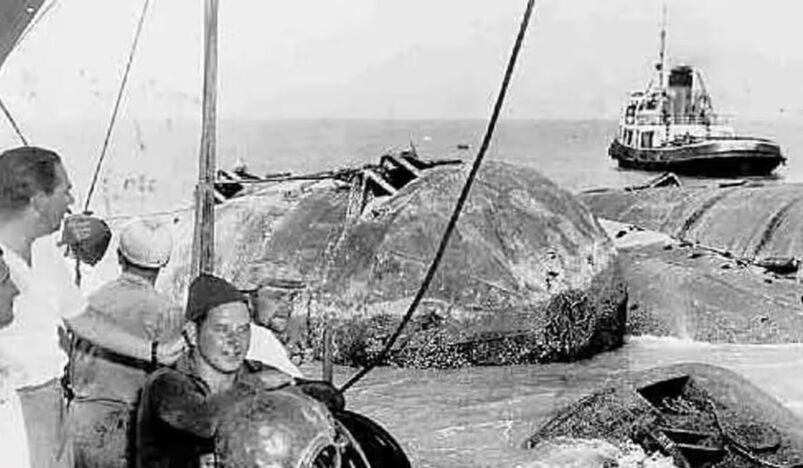
The SS Ramdas disaster ranks among the deadliest maritime accidents in Indian history. Despite its scale, few people discuss it today. Many remain unaware of the lives lost and the lessons it left behind.
A Routine Voyage That Turned Deadly
On 17 July 1947, the coastal steamer SS Ramdas left Bombay for Rewas. The ship carried more than 700 passengers, many of them daily commuters and workers. Several were traveling home for a local festival holiday.
Light rain fell as the vessel departed, but nothing suggested danger. The ferry had made this same short crossing countless times before.
A Sudden Wave and a Fatal Tilt
About thirty minutes into the journey, near Gull Island, disaster struck without warning. A powerful wave slammed into the ship's starboard side. The vessel lurched sharply as the sea turned violent.
Passengers panicked and rushed toward the opposite side of the deck. That sudden shift in weight worsened the tilt dramatically. A second wave then struck, and the ship capsized within minutes.
A Staggering Loss of Life
The disaster claimed roughly 690 lives, making it one of India's worst maritime tragedies. Only around 20 to 23 people survived the sinking. This ranks among the highest death tolls ever recorded in a single ferry accident.
Survivors included the ship's captain and a handful of passengers who clung to debris. Some swam for hours before reaching the Bombay docks or the Raigad coast. Authorities did not learn of the disaster until survivors reached shore that afternoon.
Why the Accident Happened
Later accounts point to several contributing factors.
- A sudden and severe monsoon swell
- A packed vessel carrying passengers near full capacity
- Limited emergency equipment on board
- Slow communication between the ship and port authorities
- Passenger panic that worsened the ship's list
Together, these factors turned a routine crossing into a catastrophe.
A Tragedy Overshadowed by History
The disaster struck just weeks before India gained independence. The political upheaval of August 1947 dominated national attention in the months that followed. As a result, the Ramdas disaster never received the memorial recognition given to other tragedies of its scale.
For families along the Konkan coast, the loss remained personal for generations. Many communities near Rewas and Alibag still carry memories passed down from survivors and witnesses.
Legacy and Lessons
The disaster eventually pushed authorities toward stronger maritime safety measures, including improved passenger limits on coastal ferries, better monsoon weather warnings, and stricter vessel safety inspections in the years that followed.
Though largely absent from public memory, the tragedy quietly shaped early maritime safety thinking in independent India.
A Reminder of the Sea's Power
The SS Ramdas disaster shows how quickly familiar waters can turn dangerous. It remains a story of sudden loss, quiet courage, and the value of preparedness. Nearly eight decades later, it still deserves to be remembered.

_20-08-2026_05-08.jpg)
_27-51-2026_11-51.png)
_27-43-2026_12-43.png)



.jpg)
.jpg)




.jpg)


.jpg)
.png)
.jpg)













Leave a comment